
CBD oil has become one of the most talked-about natural wellness products in recent years. As people search for alternative ways to support balance, relaxation, and overall health, CBD has gained significant attention in the wellness community. Many individuals are now exploring how CBD oil may fit into their daily routines as part of a holistic lifestyle.
While CBD products are widely available, it is important to understand how they work, what benefits they may offer, and how to use them responsibly. Learning the basics of CBD oil can help consumers make informed decisions and use these products effectively as part of everyday wellness.
What Is CBD Oil?
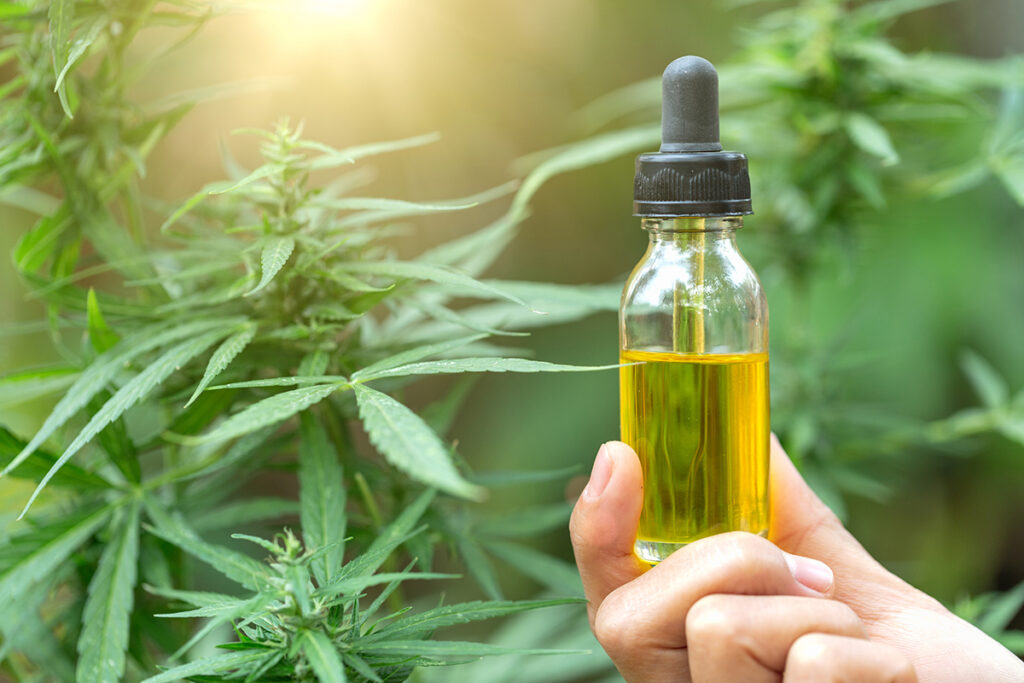
CBD oil is a product made by extracting cannabidiol (CBD) from hemp plants and blending it with a carrier oil such as hemp seed oil, MCT oil, or olive oil. CBD is one of many naturally occurring compounds found in cannabis plants, known as cannabinoids.
Unlike THC, another compound from the same plant family, CBD does not produce psychoactive effects. This means it does not create the “high” typically associated with cannabis use. Because of this, CBD oil is commonly used in wellness products designed to promote relaxation and balance.
CBD oil is available in several forms, including tinctures, capsules, edibles, and topical products. Among these options, tinctures and oils remain the most popular for daily use.
How CBD Oil Works in the Body
To understand how CBD oil may support wellness, it is helpful to learn about the body’s endocannabinoid system. This system plays a role in maintaining balance across several physiological processes.
The Role of the Endocannabinoid System
The endocannabinoid system, often referred to as the ECS, is a network of receptors found throughout the body. These receptors are located in the brain, immune system, nervous system, and other organs.
The ECS helps regulate functions such as mood, sleep, appetite, stress response, and immune activity. When this system functions properly, it contributes to overall balance within the body.
CBD interacts with the ECS in ways that may support these regulatory processes. Rather than directly binding to receptors, CBD influences how the system works, potentially helping maintain internal balance.
Potential Benefits of CBD Oil for Everyday Wellness
People use CBD oil for many reasons related to general well-being. While research into CBD is still ongoing, early studies and user experiences suggest several areas where it may offer support.
Supporting Relaxation and Stress Management
Daily stress is a common challenge in modern life. Work responsibilities, personal obligations, and constant digital connectivity can create mental pressure that affects overall wellness.
Many individuals use CBD oil as part of their relaxation routine. Some report that CBD may help promote a calm mindset and support relaxation during stressful periods.
When used responsibly, CBD oil may complement mindfulness practices, meditation, or other stress-management techniques.
Promoting Better Sleep
Sleep quality plays a critical role in maintaining physical and mental health. However, many people struggle with irregular sleep patterns or difficulty falling asleep.
CBD oil is sometimes used in evening routines to encourage relaxation before bedtime. Some users find that CBD helps them unwind after a long day, which may contribute to improved sleep quality.
Maintaining healthy sleep habits alongside CBD use is important for achieving the best results.
Supporting Post-Exercise Recovery
Physical activity is an essential part of a healthy lifestyle, but it can also lead to muscle fatigue or temporary discomfort. Many wellness enthusiasts explore CBD oil as a way to support recovery after exercise.
CBD may interact with processes related to inflammation and muscle relaxation. Because of this, some athletes and fitness enthusiasts incorporate CBD oil into their recovery routines.
Topical CBD products may also be used for targeted support after physical activity.
Encouraging Overall Balance
One of the most widely discussed roles of CBD is its potential ability to support balance within the body. The endocannabinoid system helps regulate multiple physiological processes, and CBD’s interaction with this system may contribute to maintaining that balance.
For this reason, many people view CBD oil as a general wellness supplement rather than a product used for a specific condition.
Types of CBD Oil Products
CBD oil products come in several forms, and understanding these options can help consumers choose the best product for their needs.
Full-Spectrum CBD Oil
Full-spectrum CBD oil contains a wide range of cannabinoids, terpenes, and plant compounds found in hemp. These components may work together in what is often called the “entourage effect,” which some believe enhances overall effectiveness.
Full-spectrum products may also contain trace amounts of THC within legal limits.
Broad-Spectrum CBD Oil
Broad-spectrum CBD oil contains multiple cannabinoids and terpenes but typically removes THC during processing. This option appeals to people who want a variety of plant compounds without THC content.
CBD Isolate
CBD isolate is the purest form of cannabidiol. It contains only CBD and no other cannabinoids or plant compounds.
Some users prefer isolate products because they offer a precise CBD concentration and minimal ingredients.
How to Use CBD Oil in a Daily Routine
Incorporating CBD oil into a daily wellness routine can be simple when done thoughtfully. Many people take CBD oil once or twice per day, depending on their preferences and lifestyle.
Sublingual Method
One of the most common ways to use CBD oil is the sublingual method. This involves placing a few drops of CBD oil under the tongue and holding it there for about 30 to 60 seconds before swallowing.
This method allows CBD to be absorbed through small blood vessels in the mouth, which may allow faster absorption compared to other methods.
Adding CBD Oil to Food or Drinks
Some people prefer to mix CBD oil into beverages or meals. It can be added to smoothies, tea, coffee, or salad dressings.
While this method is convenient, digestion may slow the absorption process compared to sublingual use.
Consistency Is Important
CBD often works best when used consistently over time. Establishing a regular routine may help maintain stable levels of CBD in the body.
Tracking how you feel after using CBD can also help determine what works best for your personal wellness goals.
Choosing High-Quality CBD Oil
Because the CBD market continues to expand, choosing a reputable product is essential. Quality can vary widely between brands.
Look for Third-Party Testing
Reliable CBD companies provide third-party laboratory reports that verify cannabinoid content and check for contaminants such as pesticides or heavy metals.
These reports help ensure product safety and transparency.
Check Ingredient Quality
High-quality CBD oils usually contain a short list of ingredients. Most products include CBD extract and a carrier oil.
Avoid products with unnecessary additives or artificial ingredients.
Consider Hemp Source
The quality of hemp used during production plays a major role in the final product. Hemp grown in clean soil and regulated farming conditions often produces better extracts.
Many consumers prefer CBD products derived from organically grown hemp.
Safety and Responsible Use
CBD oil is generally well tolerated by many users, but responsible use is still important. Starting with a small amount and gradually adjusting can help determine how your body responds.
Individuals taking medications or managing health conditions should consult a healthcare professional before adding CBD to their routine.
It is also important to follow product instructions and avoid exceeding recommended serving sizes.
Read Also : The Science Behind CBD Oil: Why Bioavailability Matters Most
Conclusion
CBD oil has become a popular addition to many wellness routines because of its potential to support relaxation, balance, and everyday well-being. By interacting with the body’s endocannabinoid system, CBD may help regulate processes related to stress, sleep, and recovery.
However, successful use of CBD oil depends on choosing high-quality products, understanding different types of extracts, and using them responsibly as part of a balanced lifestyle.
With proper knowledge and thoughtful use, CBD oil may serve as a supportive tool for individuals looking to enhance their overall wellness routine.