
CBD oil has quickly gained attention for its potential health benefits — from promoting relaxation and easing pain to improving sleep and focus. However, not all CBD products are created equal, and one critical factor that determines how effective your CBD is lies in a scientific term called bioavailability. Understanding this concept can help you make smarter choices and get the most out of your CBD experience.
What Is Bioavailability and Why It Matters
Bioavailability refers to how much of a substance actually enters your bloodstream and becomes active in your body after consumption. When you take CBD oil, not all of it reaches your system because it has to pass through several biological barriers. The higher the bioavailability, the more efficiently your body absorbs and utilizes CBD.
For example, if you take 20 mg of CBD and only 5 mg reaches your bloodstream, that means your product has a bioavailability rate of 25%. This is important because two people can take the same amount of CBD but experience completely different effects depending on the product type and its delivery method.
The Role of the Body’s Endocannabinoid System
To understand why bioavailability matters, you need to know about the endocannabinoid system (ECS) — a complex network of receptors found throughout the body. The ECS helps regulate essential functions such as mood, sleep, pain response, and immune activity.
When CBD enters your bloodstream, it interacts with ECS receptors (CB1 and CB2), helping maintain balance or “homeostasis.” However, if only a small fraction of CBD actually reaches the bloodstream, the impact on the ECS will be limited. That’s why optimizing absorption is key for better results.
Different CBD Delivery Methods and Their Bioavailability
Not all CBD products are absorbed in the same way. The method you use to take CBD has a major effect on how much of it your body can use.
1. CBD Oil Tinctures (Sublingual Use)
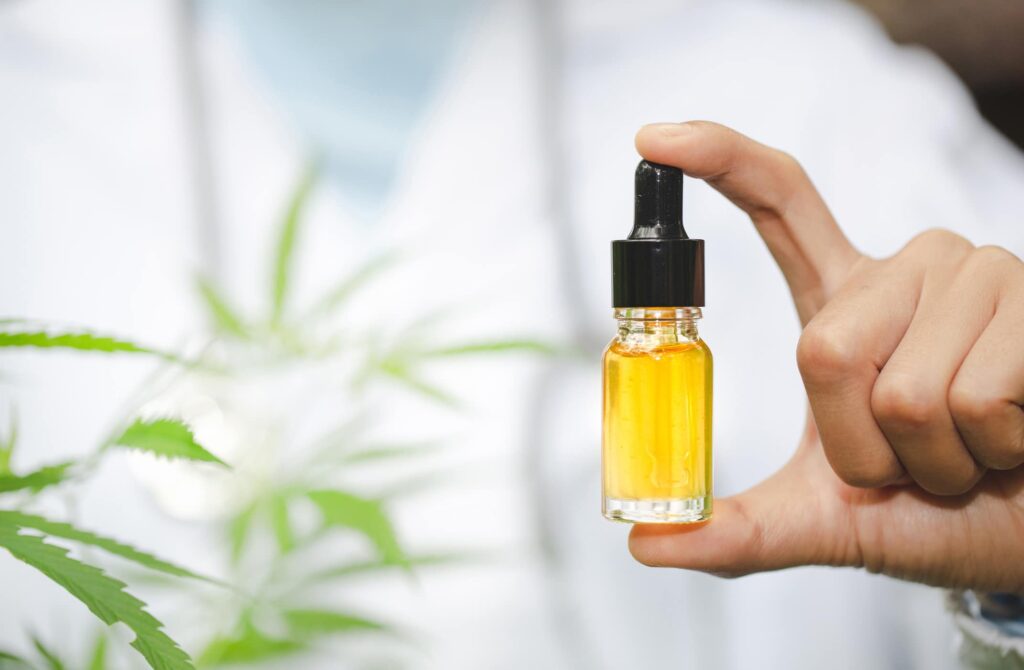
Placing CBD oil under your tongue allows it to be absorbed through the mucous membranes directly into your bloodstream. This bypasses the digestive system, leading to faster and more effective absorption. Sublingual tinctures generally have a bioavailability rate of 15–35%.
2. CBD Edibles and Capsules
When CBD is swallowed, it passes through the digestive system and the liver before reaching the bloodstream — a process known as the first-pass effect. This breaks down much of the CBD, resulting in lower bioavailability (usually 6–10%). While edibles are convenient and long-lasting, they may not be as efficient for immediate relief.
3. Vaping CBD
Inhaling CBD through a vape allows it to enter your bloodstream through the lungs, providing one of the highest bioavailability rates — often between 40–60%. The effects are almost immediate but may fade faster compared to tinctures or edibles. However, vaping isn’t ideal for everyone, especially those concerned about lung health.
4. Topical CBD
Lotions, balms, and creams infused with CBD target localized areas rather than entering the bloodstream. Their bioavailability is low, but they are effective for joint pain, muscle soreness, or skin conditions.
Factors That Influence CBD Bioavailability
Several factors determine how much CBD your body absorbs. Understanding these can help you improve your results.
1. Formulation and Carrier Oils
CBD is a fat-soluble compound, meaning it dissolves better in fats. That’s why carrier oils like MCT (medium-chain triglycerides) are often used to enhance absorption. Some advanced formulations use nanoemulsion or liposomal technology to break CBD down into smaller particles, making it easier for the body to absorb.
2. Individual Metabolism
Each person’s metabolism and body composition affect how quickly CBD is processed. Factors like age, weight, and diet can influence how efficiently CBD is absorbed and utilized.
3. Timing and Food Intake
Taking CBD with fatty foods can improve absorption since it promotes better solubility. Studies show that consuming CBD oil after a meal rich in healthy fats can significantly increase its bioavailability.
The Future: Water-Soluble CBD Technology
One of the most promising developments in CBD science is water-soluble CBD. Traditional CBD oils don’t mix well with water, which makes absorption through the digestive system less efficient. Water-soluble technology uses nanotechnology to break CBD molecules into tiny particles that dissolve easily in water, increasing absorption up to five times compared to regular oils.
This technology allows for consistent and predictable results, making water-soluble CBD softgels, capsules, and beverages more effective for daily wellness routines. For individuals seeking faster and longer-lasting relief, these products can make a noticeable difference.
Why Bioavailability Determines Value for Money
When comparing CBD products, price alone doesn’t tell you everything. A cheaper product with poor bioavailability might actually deliver less CBD to your system than a slightly more expensive, highly absorbable option. By considering bioavailability, you ensure you’re getting real value for your investment — more active CBD, better results, and less waste.
Choosing the Right CBD Product
When shopping for CBD, look for transparency and testing. Reliable brands provide lab reports showing potency, purity, and formulation details. Check whether the product uses advanced absorption technology, such as nanoemulsions or liposomes, and ensure it’s made from full-spectrum or broad-spectrum hemp extract for a wider range of benefits.
Final Thoughts: Making the Most of Your CBD Experience
Understanding bioavailability gives you the power to make informed choices. Whether you prefer CBD oil, softgels, or water-soluble formulas, knowing how your body absorbs CBD helps you optimize your wellness journey.
As the CBD industry continues to evolve, innovations like water-soluble CBD and nanoemulsion technology will play a key role in delivering more effective and consistent results. The science is clear: it’s not just how much CBD you take, but how much your body can use that truly matters.