
If you’re new to CBD, one of the first questions that comes to mind is: how much CBD oil should you take? With bottles labeled 500 mg, 1000 mg, or even 3000 mg, it’s easy to feel confused. The truth is, there isn’t a one-size-fits-all answer. CBD dosage depends on several personal factors, including body weight, metabolism, product strength, and the reason you’re taking it.
In this beginner dosage guide, we’ll simplify the process so you can understand how CBD oil dosing works and how to approach it safely and confidently.
Understanding CBD Oil Strength vs Dosage
Before figuring out how much CBD oil to take, it’s important to understand the difference between product strength and your actual dose.
What Does “500 mg” or “1000 mg” Mean?
When a bottle says “1000 mg CBD,” it refers to the total amount of CBD in the entire bottle, not per drop.
For example:
- A 30 ml bottle with 1000 mg CBD contains about 33 mg per ml.
- If one full dropper equals 1 ml, then one full dropper delivers roughly 33 mg of CBD.
Always check the label to see how much CBD is in each serving.
Why Dosage Is Personal
CBD interacts with the body’s endocannabinoid system, which helps regulate mood, sleep, stress response, and inflammation. Everyone’s system responds differently.
Factors that influence how much CBD oil you should take include:
- Body weight
- Individual metabolism
- Sensitivity to supplements
- Desired effect (relaxation, sleep, discomfort support)
- CBD concentration
Because of this variability, beginners should start low and increase gradually.
General CBD Oil Dosage Guidelines for Beginners
There’s no universal dose, but many beginners follow a simple starting framework.
Start Low and Go Slow
A common starting dose is:
- 5 mg to 10 mg per day for beginners
After taking this amount for several days, you can gradually increase in small increments (5 mg at a time) until you notice the desired effects.
This method helps you find your “minimum effective dose,” which is the smallest amount that works for you.
Body Weight-Based Estimates
Some people use weight-based guidelines as a reference point:
- Low strength: 0.2 mg per pound of body weight
- Moderate strength: 0.5 mg per pound
- Higher strength: 0.7 mg per pound
For example, a 150-pound person starting with a low dose might begin around 10–15 mg daily.
These are rough estimates, not strict rules.
CBD Oil Dosage by Purpose
Different goals may require different amounts. While research is still evolving, here’s how people often approach dosage depending on their needs.
CBD for Daily Stress and Relaxation
For general stress support:
- 10–20 mg per day is common for beginners
- Split doses (morning and evening) may help maintain balance
Consistency matters more than large doses.
CBD for Sleep Support
For sleep:
- 15–30 mg taken 30–60 minutes before bed is common
Start on the lower end and adjust gradually. Too much CBD may make some people feel alert rather than sleepy.
CBD for Physical Discomfort
For occasional physical discomfort:
- 20–40 mg per day may be used
- Some individuals divide the dose morning and evening
Always begin lower and increase slowly over several days.
How to Measure Your CBD Oil Properly
Understanding how to measure CBD oil accurately is key to correct dosing.
Read the Label Carefully
Look for:
- Total CBD content in the bottle
- CBD per serving
- Dropper size (usually 1 ml per full dropper)
If your bottle contains 600 mg in 30 ml, each ml contains about 20 mg CBD.
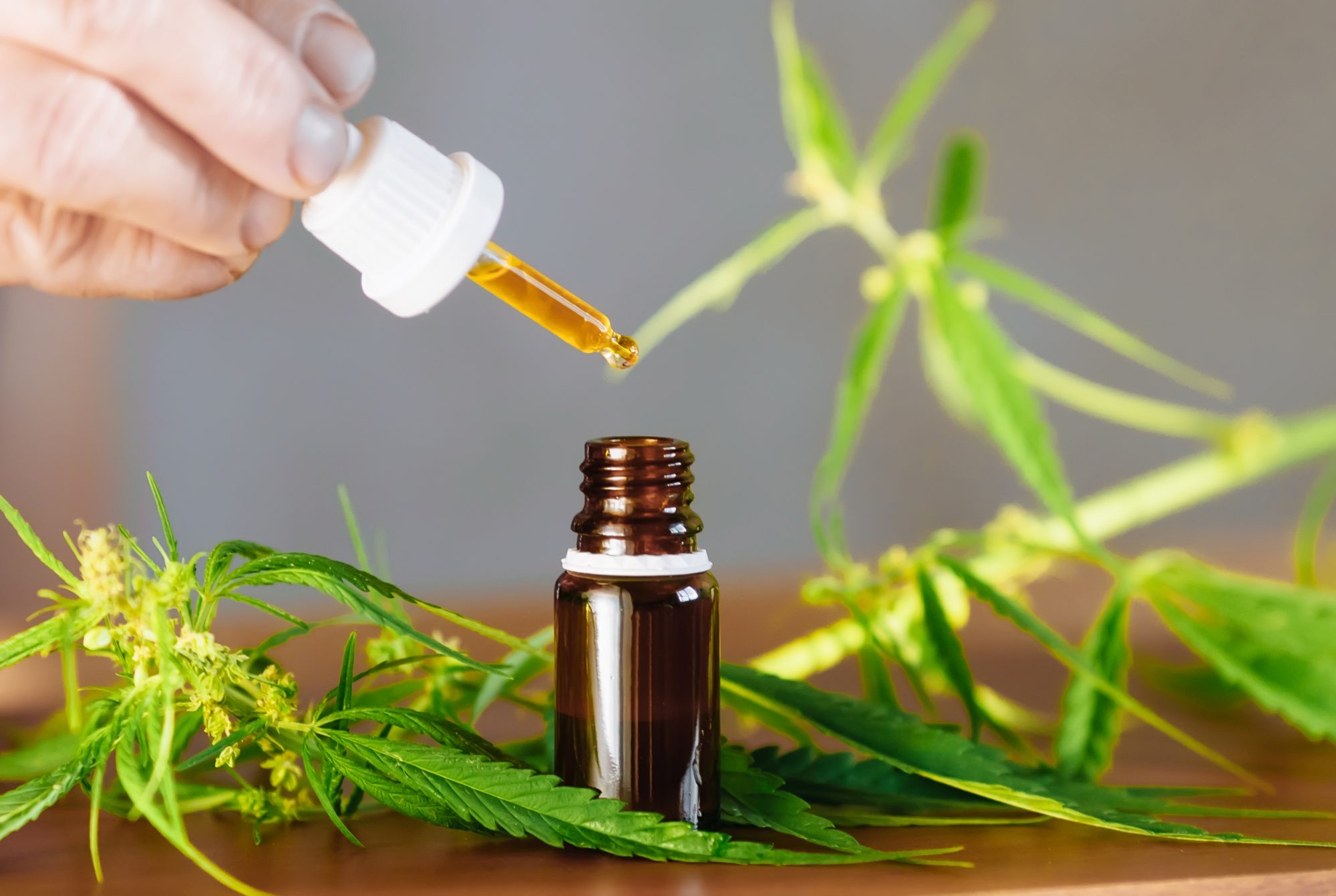
Using the Dropper
Most droppers are marked with measurement lines such as 0.25 ml, 0.5 ml, 0.75 ml, and 1 ml.
If one full dropper equals 20 mg:
- 0.5 ml = 10 mg
- 0.25 ml = 5 mg
This allows you to control your dosage precisely.
Full-Spectrum vs Broad-Spectrum vs Isolate Dosage Differences
The type of CBD oil may affect how much you need.
Full-Spectrum CBD
Contains multiple cannabinoids, including trace THC (within legal limits). Some people report stronger effects due to the “entourage effect,” meaning you may need a slightly lower dose.
Broad-Spectrum CBD
Contains multiple cannabinoids but no THC. Effects may be similar to full-spectrum for many users.
CBD Isolate
Pure CBD without other cannabinoids. Some users require slightly higher doses compared to full-spectrum.
Your body’s response is the best indicator.
How Long Does CBD Oil Take to Work?
When taken sublingually (under the tongue), CBD oil typically starts working within:
- 15 to 45 minutes
Effects may last 4 to 6 hours, depending on metabolism and dosage.
For best results:
- Hold the oil under your tongue for 30–60 seconds before swallowing
- Take it consistently at the same time daily
Building steady levels in the body may improve overall results.
Signs You May Need to Adjust Your Dose
CBD works subtly. It does not create dramatic or intoxicating effects.
You may need to increase your dose if:
- You feel no noticeable difference after several days
- Your desired goal is not achieved
You may need to decrease your dose if:
- You feel excessive drowsiness
- You experience mild side effects like digestive discomfort
Adjust slowly and give your body time to respond.
Is It Possible to Take Too Much CBD?
CBD is generally considered well-tolerated, but high doses may cause:
- Drowsiness
- Dry mouth
- Changes in appetite
- Mild digestive upset
Very high doses are usually unnecessary for beginners. Taking more does not always mean better results.
If you take prescription medications, especially those metabolized by the liver, consult a healthcare professional before starting CBD.
Tips for Finding Your Ideal CBD Oil Dosage
Here are practical steps for beginners:
- Choose a reputable brand with third-party lab testing
- Start with 5–10 mg daily
- Keep a journal to track dosage and effects
- Increase slowly every 3–5 days if needed
- Stay consistent
Patience is key. CBD often works best when used regularly rather than sporadically.
Common Mistakes Beginners Make
Understanding what not to do is just as important.
Starting with High Strength Products
Beginners sometimes buy 3000 mg bottles and take full droppers immediately. This can lead to unnecessary side effects.
Expecting Instant Dramatic Results
CBD is not a quick fix. It supports balance gradually.
Ignoring Product Quality
Low-quality CBD oils may contain inaccurate labeling or contaminants. Always look for a Certificate of Analysis (COA).
Read Also : Organic vs Non-Organic CBD Oil: Which One Is Truly Worth Your Money?
Final Thoughts: Finding the Right CBD Oil Dose for You
So, how much CBD oil should you take? The answer depends on your body, your goals, and the product you’re using.
For beginners, the safest and smartest approach is:
- Start low
- Increase slowly
- Track your response
- Stay consistent
Most new users begin between 5 mg and 20 mg daily and adjust gradually based on results.
CBD oil dosing is personal. There is no universal “perfect dose,” only the dose that works best for you. By taking a careful, informed approach, you can explore CBD safely and confidently while minimizing unwanted effects.
If you have medical conditions or take prescription medications, always consult a healthcare professional before beginning CBD oil